


What Is Myopia and Why Managing It Early Matters
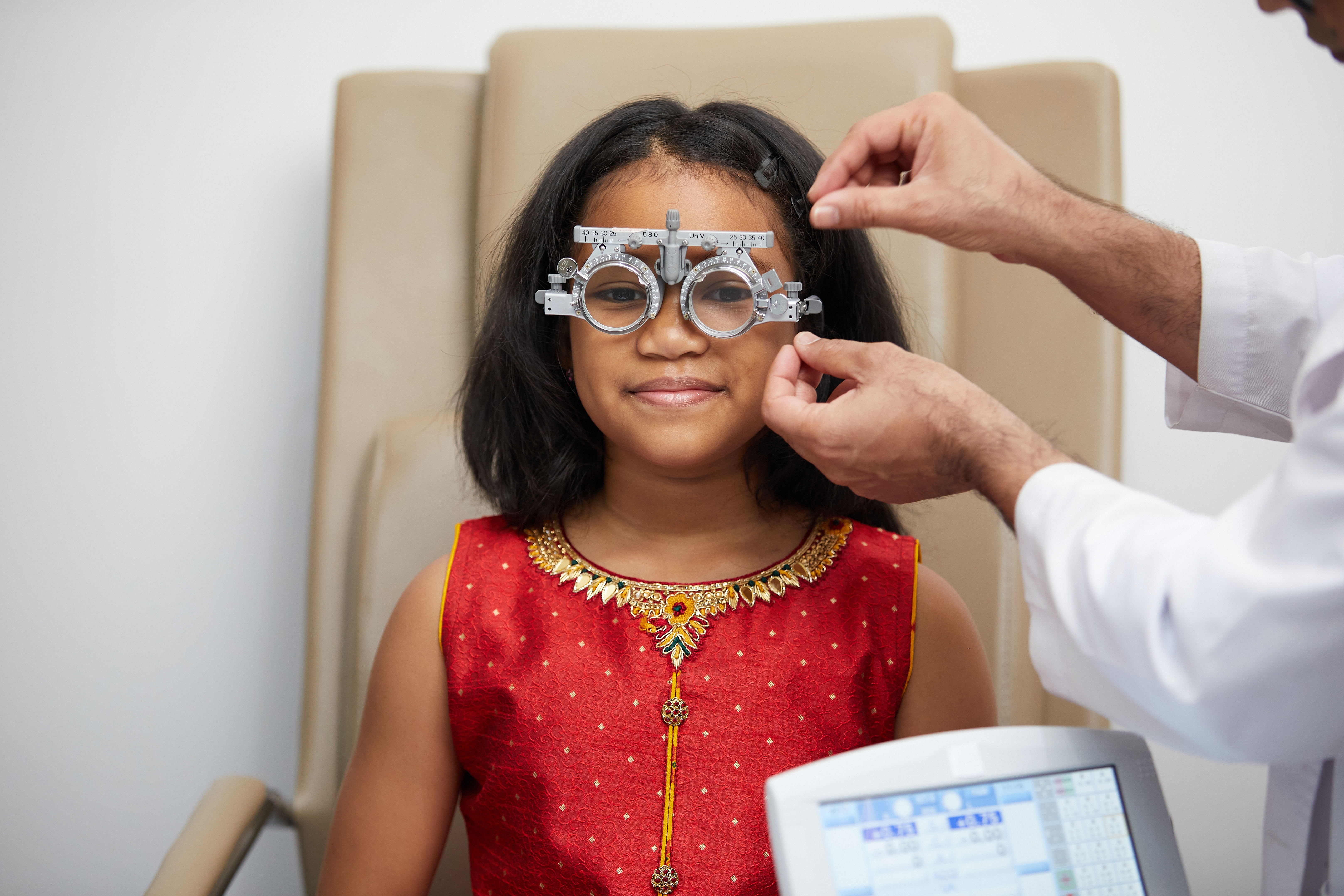
Nearsightedness is called myopia. It occurs when the eyeball is a bit longer than normal. Light ends up focusing in front of the retina. That makes faraway things blurry, while close objects remain sharp.
Myopia often begins in childhood and can change every few months. It is something families sometimes share, too. If a child has one nearsighted parent, the risk is higher, and if both parents are nearsighted, the risk increases further.
There are two types. Refractive myopia results from the cornea or lens bending the light that is coming into your eye too much. Axial myopia occurs when the eyeball itself elongates. Axial myopia is the most common form and is the one that causes long-term problems.
Why Managing Myopia Early Matters
- It Lowers the Risk of Serious Eye Disease Later
When the eye stretches too much, it thins the retina and other structures at the back of the eye. This increases the risk of retinal detachment, glaucoma, cataracts, and myopic maculopathy. The higher the myopia, the greater the risk. Slowing it down in childhood reduces the risk of it in later life.
- It Keeps the Final Prescription Lower
Myopia often gets worse until the late teens or early twenties. The earlier it starts, the higher it can go. By managing it early, you can help your child end up with a lower prescription as an adult, something that is better for both their vision and eye health.
- It Means Fewer Prescription Changes
If myopia is well controlled, the eye grows more slowly. Fewer prescription changes each year means less frustration for the whole family and fewer trips to the eye doctor.
- It Protects Vision, Not Just Sight
A child with high myopia may never achieve 20/20 vision even with glasses, especially if the eye has stretched significantly. Starting management early gives your child the best chance of keeping their vision clearer and more stable, so they can enjoy life’s moments to the fullest.
- It Improves Quality of Life
A child who can see clearly without constant prescription changes feels more confident. They can play sports, read, and learn without the hassle of blurry vision or the worry of losing their glasses.
- It Gives You More Treatment Options
There are several proven ways to help manage myopia. Specialized glasses, contact lenses, and atropine drops can all make a difference. By starting early, you have more time and options to find what works best for your child.
- It Addresses the Real Problem
Standard glasses and contacts help your child see clearly, but they do not slow down eye growth. Myopia management goes a step further. It helps your child see better today while gently sending signals to the eye to slow down its growth for the future.
Myopia is more than just needing glasses; it is a condition that can affect your child’s eye health for life. By starting early, you can help slow its progress, keep prescriptions lower, and lower the risk of serious issues later. If your child is nearsighted, talk with your eye doctor about myopia management. The sooner you begin, the more you can do together to protect your child’s future vision.
For more about myopia management, come visit us at Pascarella Eye Care & Contact Lenses. We are right here in Newtown, Pennsylvania, and always happy to help. Call (267) 487-9900 to set up an appointment today.
https://www.mayoclinic.org/diseases-conditions/nearsightedness/symptoms-causes/syc-20375556
MAP
© 2026 Pascarella Eye Care & Contact Lenses. All Rights Reserved. Accessibility Statement - Privacy Policy - Sitemap
Powered by: 