


The Importance of Pediatric Eye Exams and the Right Time to See an Eye Doctor
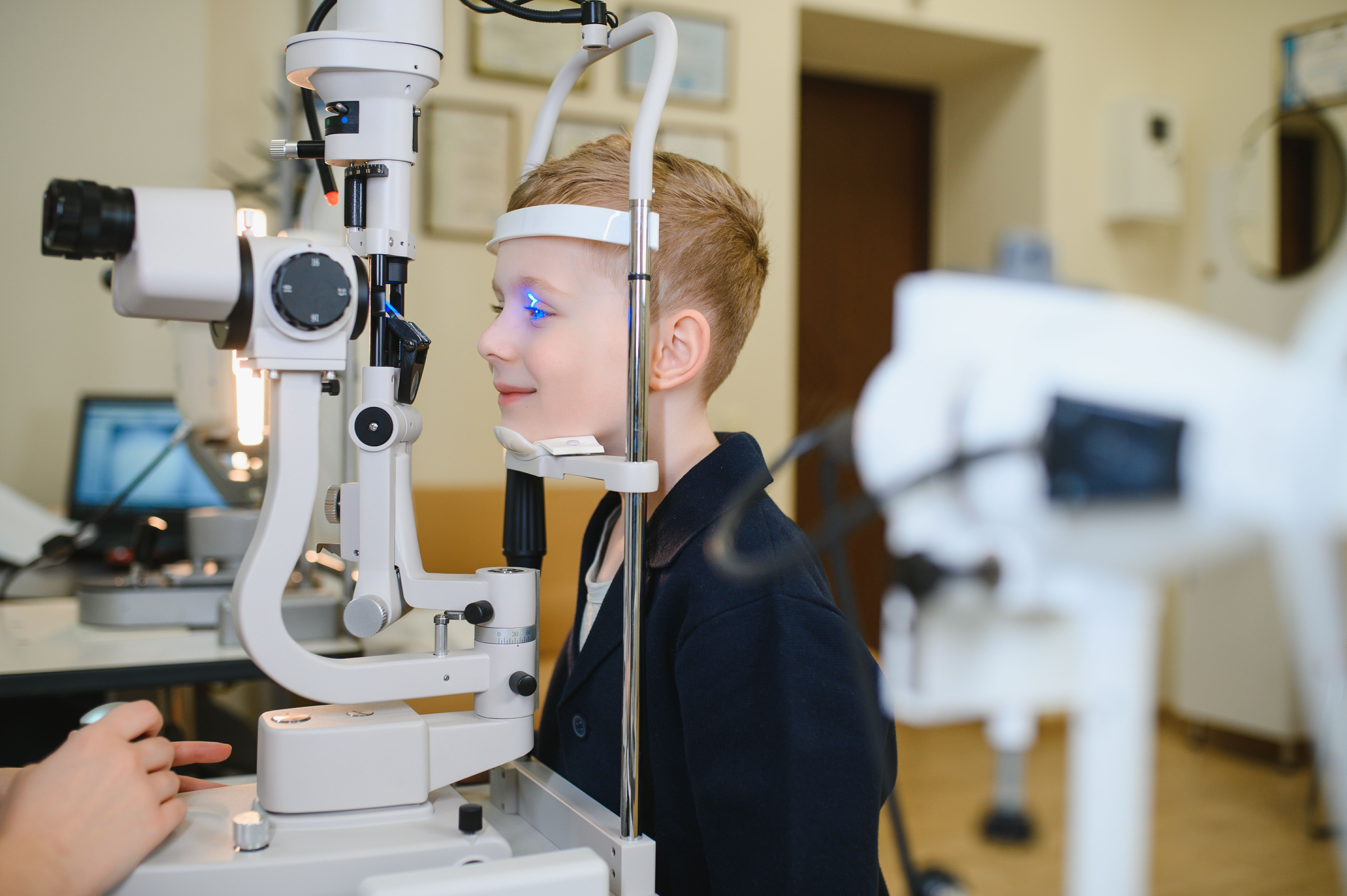
As parents, you carefully monitor your child’s growth, learning, and overall health - but vision is often overlooked. Clear eyesight plays a critical role in your child’s development, academic success, and confidence. Because children may not recognize or communicate vision problems, routine pediatric eye exams are essential for identifying issues early and protecting long-term eye health.
At Pascarella Eye Care & Contact Lenses, we believe proactive vision care is one of the most important steps you can take to support your child’s future.
Why Pediatric Eye Exams Matter
Vision Is Closely Linked to Learning - Up to 80% of classroom learning is visual. Reading, writing, using digital devices, and participating in sports all depend on healthy vision. Even minor vision problems can impact attention span, comprehension, and academic performance. Children rarely complain about blurry vision because they often assume what they see is normal. A comprehensive eye exam can detect issues that a school screening may miss.
Early Detection Prevents Long-Term Problems - Many childhood vision conditions respond best to early treatment. These may include:
- Nearsightedness (myopia)
- Farsightedness (hyperopia)
- Astigmatism
- Amblyopia (lazy eye)
- Strabismus (eye misalignment)
When detected early, these conditions can often be corrected or managed effectively, reducing the risk of permanent vision impairment.
Eye Exams Go Beyond Vision Clarity - A pediatric eye exam evaluates more than just whether your child needs glasses. It also assesses:
- Eye coordination and tracking
- Depth perception
- Focusing ability
- Eye health and development
Some systemic health issues can even show early signs in the eyes, making comprehensive exams an important part of overall healthcare.
When Should Your Child See an Eye Doctor?
Knowing the right timeline for eye exams can help ensure your child’s vision stays on track.
First Eye Exam: Around 6–12 Months
Even if there are no visible concerns, infants should have an eye health evaluation within their first year. This helps identify congenital issues and confirms normal visual development.
Second Eye Exam: Between 6 Months and 1 Year
A comprehensive eye exam is recommended between six months and the first birthday to ensure your baby’s vision is developing properly. During this visit, the doctor checks pupil response to light, evaluates tracking and focusing skills, and uses simple visual tests to confirm important early milestones are being met.
Preschool Exam: Around Age 3
At this stage, your child’s eye doctor can evaluate visual acuity, eye alignment, and focusing skills more accurately.
Before Starting School: Around Age 5 or 6
Before kindergarten is a critical milestone. Ensuring your child can see clearly supports a smooth transition into formal learning.
School-Age Children: Every Year
Because children’s eyes change rapidly, annual eye exams are typically recommended. Increased screen time and early-onset myopia have made regular monitoring more important than ever.
Signs Your Child May Need an Eye Exam Sooner
While routine exams are essential, schedule an appointment promptly if you notice:
- Squinting or covering one eye
- Frequent headaches
- Sitting very close to screens
- Difficulty reading
- Excessive eye rubbing
- Complaints of blurry or double vision
- Poor hand-eye coordination
If your child struggles in school without an obvious cause, vision should always be evaluated as a potential factor.
The Role of Early Myopia Management
Nearsightedness is becoming more common in children, and it often progresses quickly. Early intervention can help slow this progression and reduce the risk of future eye health complications.
At Pascarella Eye Care & Contact Lenses, we assess each child’s risk factors and discuss appropriate management options when necessary.
Schedule Your Child’s Eye Exam at Pascarella Eye Care & Contact Lenses Today
Pediatric eye exams are not just about checking for glasses - they are about supporting your child’s development, learning, and long-term eye health. Because children often do not recognize vision problems on their own, regular comprehensive exams are essential.
Contact Pascarella Eye Care & Contact Lenses to schedule a comprehensive pediatric eye exam. Visit our office in Newtown, Pennsylvania, or call (267) 487-9900 to book an appointment today.
MAP
© 2026 Pascarella Eye Care & Contact Lenses. All Rights Reserved. Accessibility Statement - Privacy Policy - Sitemap
Powered by: 